
Blogs
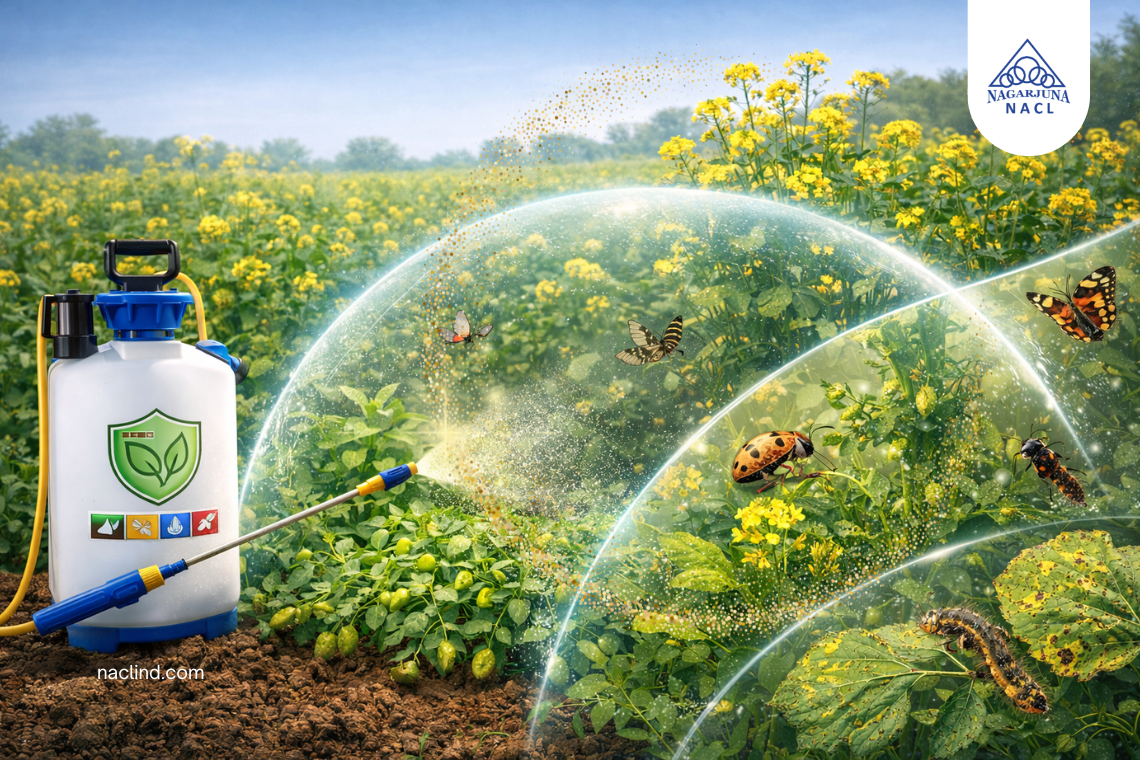
Pest and Disease Control Solutions for Healthy Mustard Crops
Mustard is one of the most important oilseed crops cultivated across India’s northern and central plains. It plays a vital role in the agricultural economy, serving as a major source of edible oil and contributing significantly to farmers’ income. However, mustard cultivation is often challenged by pests and diseases that can drastically affect plant health and crop yield if left unchecked. Timely and effective pest and disease management is therefore crucial to ensure healthy mustard crops and sustainable productivity.
In this blog, we explore common threats to mustard crops, how to identify pest and disease symptoms, and how to implement a robust crop protection strategy. We also discuss trusted crop protection solutions and how farmers can benefit from products recommended by the Top Agrochemical Companies in India.
Why Pest and Disease Management Matters
Healthy mustard crops need vigilant pest and disease management from seedling to harvest. Without timely interventions, fungal diseases and insect pests can rapidly spread, weaken plants, stunt growth, and reduce yield. Integrating cultural, chemical, and biological tools ensures resilience and higher profits.
Major Diseases in Mustard Crops
Below are the most common diseases affecting mustard, with symptoms and effective control measures farmers should know:
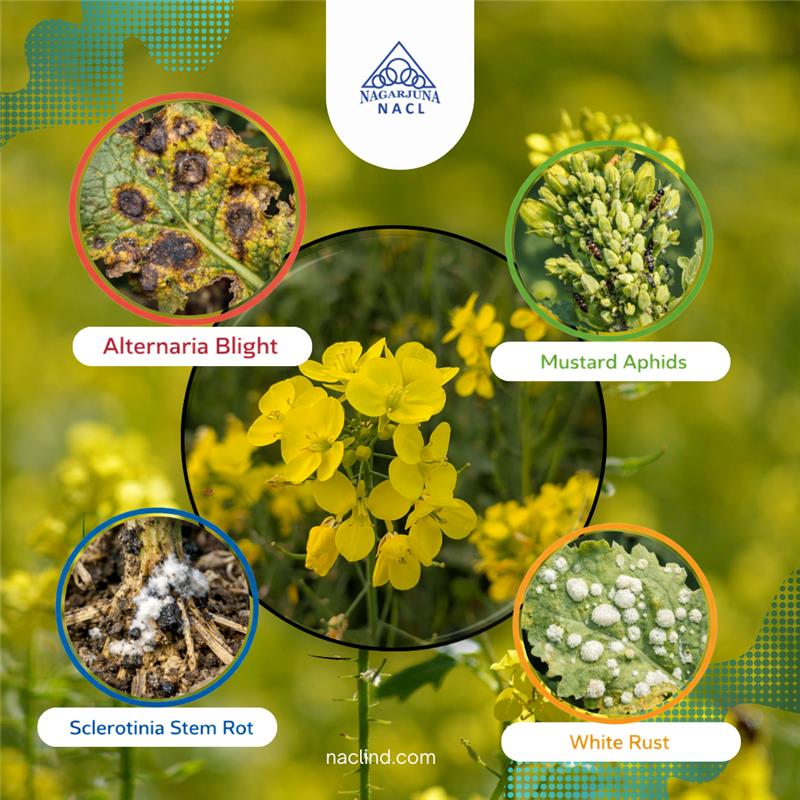
1. Alternaria Blight (Alternaria brassicae)
Symptoms:
- Circular dark brown spots with concentric rings on leaves, stems, and pods.
- Leaves may wither and drop prematurely, and pods may fail to set.
Control Methods:
- Use disease-resistant varieties where available.
- Treat seeds with recommended fungicides, such as carbendazim or mancozeb.
- Spray fungicides such as mancozeb at regular intervals when conditions are humid.
2. White Rust (Albugo candida)
Symptoms:
- White pustules appear on leaves and stems.
- Severely infected plants show distorted leaves and reduced yields.
Control Methods:
- Choose resistant varieties and keep the field free of cruciferous weeds.
- Fungicide sprays like metalaxyl and mancozeb help manage infections during humid weather.
3. Downy Mildew
Symptoms:
- Yellow patches on upper leaf surfaces.
- White fungal growth on the underside of leaves.
Control Methods:
- Use high-quality, disease-free seeds.
- Early spray with metalaxyl or similar preventive chemicals helps limit spread.
4. Powdery Mildew
Symptoms:
- White powdery fungal coating on leaves, stems, and pods.
Control Methods:
- Apply sulphur-based sprays at the first signs.
- Avoid late sowing to reduce disease pressure.
5. Sclerotinia Stem Rot
Symptoms:
- Water-soaked lesions on stems that turn brown and hollow.
- Causes lodging and major yield loss in severe cases.
Control Methods:
- Practice crop rotation with non-host crops.
- Timely removal and destruction of infected residue.
- Spray fungicides such as carbendazim during flowering to control.
Key Insect Pests and Their Management
Insects such as aphids and caterpillars can decimate mustard stands. Knowing their symptoms and control options improves crop performance:
1. Mustard Aphid (Lipaphis erysimi)
Symptoms:
- Aphids suck sap from leaves, leading to stunted growth.
- Honeydew and sooty mold can develop on leaves.
Control Methods:
- Early spray with systemic insecticides such as imidacloprid or thiamethoxam.
- Botanical options, such as neem oil sprays, provide eco-friendly control.
2. Painted Bug
Symptoms:
- Pest feeds on young plants, causing wilting and poor seed set.
Control Methods:
- Dust crops with malathion or spray chlorpyrifos formulations.
- Handpick and destroy bugs early when populations are low.
3. Diamondback Moth
Symptoms:
- Caterpillars feed on foliage, giving leaves a “skeletonized” look.
Control Methods:
- Apply biological agents, such as Bacillus thuringiensis (Bt).
- Insecticides such as spinosad can be effective when infestations are high.
4. Cabbage Butterfly Caterpillars
Symptoms:
- Defoliation and leaf damage, especially on young plants.
Control Methods:
- Manual collection of larvae can be useful in small fields.
- Sprays like chlorpyrifos or fenvalerate are widely recommended.
Integrated Pest and Disease Management (IPDM)
Rather than only using chemical sprays, modern farmers are adopting Integrated Pest and Disease Management, combining cultural, biological, and chemical approaches:
- Crop Rotation: Rotate mustard with cereals and legumes to reduce the buildup of soil-borne pathogens.
- Use of Resistant Varieties: Choose improved seed varieties bred for disease resistance.
- Cultural Practices: Proper spacing, balanced fertilization, and field sanitation reduce disease spread.
- Biological Control: Encourage natural enemies, such as ladybird beetles, for aphid control.
- Judicious Chemical Use: Apply only the best pesticides in India when needed and follow label directions.
This balanced approach conserves beneficial insects and increases long-term sustainability.
Crop Protection Solutions: Choosing the Right Tools
To protect mustard crops effectively, farmers often look toward reliable crop protection solutions offered by established companies. These solutions include fungicides, insecticides and modern biological products tailored to India’s diverse agro-climatic regions.
Best Practices When Using Pesticides
While insecticides and fungicides are vital for controlling pests and diseases, safe and effective use is crucial:
- Always read and follow label instructions.
- Avoid spraying during peak pollinator activity to protect bees.
- Use protective gear and apply doses recommended for the crop stage.
- Rotate chemicals with different modes of action to delay resistance.
Combining the right products with responsible application helps ensure both yield protection and environmental safety.
Final Thoughts
Managing pests and diseases in mustard crops requires observation, informed decision-making, and proper interventions. With the right mix of cultural practices, biological tools, and well-chosen chemical sprays from trusted agrochemical companies, farmers can safeguard their crops against major threats. Embracing integrated strategies not only improve yields but also contributes to long-term soil and ecosystem health.
For farmers aiming for a healthy and profitable mustard harvest, adopting these pest control practices and crop protection solutions ensures stronger plants and sustainable agriculture. Always consult local agronomists or extension services for region-specific recommendations and updated protocols.
