
Blogs
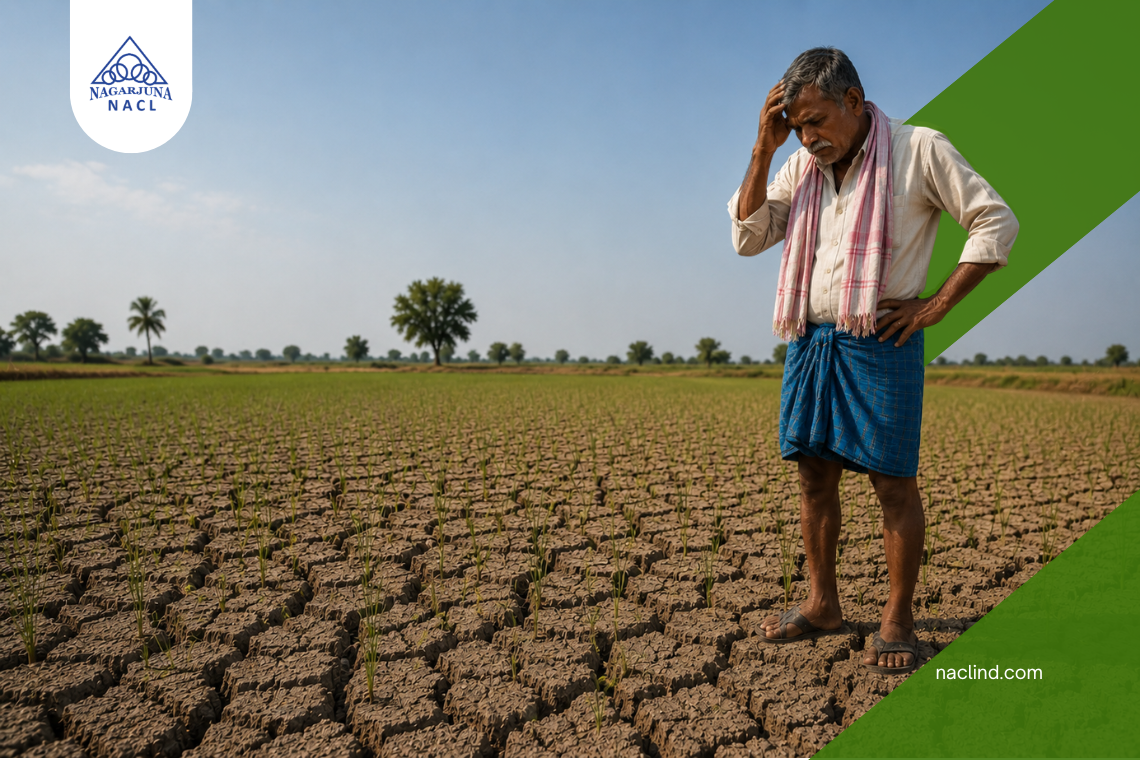
GROWING EL NIÑO: IMPACT ON INDIA’S AGRICULTURE AND WHAT IT MEANS FOR INDIAN FARMERS
For generations, Indian agriculture has depended heavily on the monsoon’s rhythm. When rain arrives on time and spreads evenly, crops flourish. But when patterns shift, uncertainty creeps in. One such climate phenomenon that continues to influence this delicate balance is El Niño.
In recent years, the growing frequency and intensity of El Niño events have raised concerns across the farming community. From delayed rainfall to rising temperatures, its impact is not just visible; it is deeply felt in fields, harvests, and incomes.
This blog explores what El Niño means for Indian agriculture and, more importantly, how farmers can prepare and respond effectively.
What is El Niño, and how does it affect India’s monsoon?
El Niño is a climate pattern caused by the warming of surface waters in the Pacific Ocean. While it may seem distant, its effects travel across continents, influencing global weather systems.
In India, El Niño is often linked with:
- Weak or delayed monsoon
- Uneven rainfall distribution
- Longer dry spells
- Higher temperatures
This directly affects sowing cycles, crop growth, and water availability, making farming more unpredictable.
Why does El Niño reduce crop productivity in India?
Crop productivity depends on timely rainfall, suitable temperature, and soil moisture. El Niño disrupts all three.
Key Impacts:
- Water Stress: Crops like paddy require consistent water. Reduced rainfall affects growth levels.
- Heat Stress: Higher temperatures damage flowering and grain formation.
- Soil Moisture Loss: Leads to poor germination and weak crop establishment.
For rain-fed regions, the impact is even more severe, as farmers rely solely on monsoon rains.
Which crops are most affected by El Niño?
While almost all crops feel the impact, some are more vulnerable:
- Paddy: Needs standing water; highly sensitive to rainfall deficits.
- Cotton: Affected by irregular rainfall and pest outbreaks
- Pulses: Sensitive to moisture stress
- Sugarcane: Requires long-duration water availability.
At the same time, some crops, such as millets and certain oilseeds, may perform relatively better due to their drought tolerance.
Does El Niño increase pest and disease attacks?
Yes, and this is often an overlooked impact. Changing weather conditions creates a favorable environment for pests and diseases.
How it happens:
- Warmer temperatures speed up pest life cycles.
- Dry conditions encourage sucking pests like aphids and whiteflies.
- Stressed crops become more vulnerable to infections.
Farmers often notice sudden pest outbreaks during El Niño years, especially in cotton and vegetable crops. This is where timely use of Pesticides Products and preventive care becomes crucial.
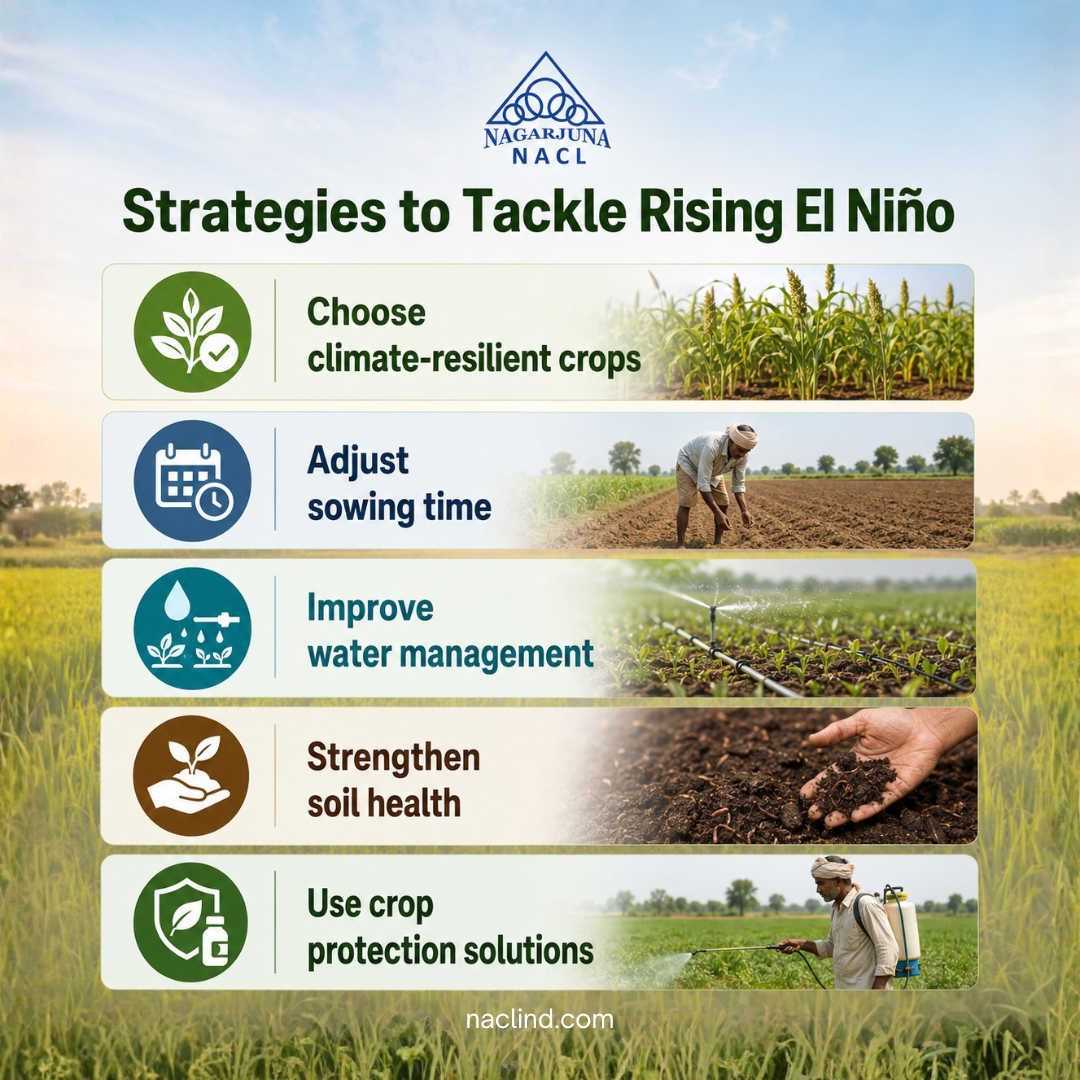
How can farmers protect crops during El Niño conditions?
While farmers cannot control the climate, they can adapt to their practices to reduce risks.
Practical Prevention Strategies
1. Choose Climate-Resilient Crops: Opt for drought-tolerant varieties or short-duration crops that require less water.
2. Adjust Sowing Time: Monitor weather forecasts and adjust sowing timing based on rainfall patterns.
3. Improve Water Management
- Use drip irrigation where possible.
- Practice rainwater harvesting.
- Avoid water wastage.
4. Strengthen Soil Health: Healthy soil retains more moisture. Adding organic matter improves water-holding capacity.
5. Use Crop Protection Solutions: Timely use of Agrochemical products, whether online or through trusted dealers, ensures crops are protected from pests and diseases. Products such as Imidacloprid for sucking pests, Chlorantraniliprole for borers, and Mancozeb for fungal diseases help in managing stress-related outbreaks effectively.
What role do agrochemicals play during El Niño?
During uncertain weather conditions, crop protection becomes even more critical. The right use of agrochemicals can help farmers safeguard yields.
Key Benefits:
- Prevent pest outbreaks before they spread.
- Protect crops under stress conditions.
- Improve overall crop health and productivity.
Many Top Agrochemical Companies in India are offering advanced formulations designed for climate-resilient farming. However, it is important to use these products responsibly and follow recommended dosages.
Can technology help farmers deal with El Niño?
Absolutely. Technology is becoming a powerful tool in modern agriculture.
Useful Tools:
- Weather forecasting apps
- Soil moisture sensors
- Mobile advisory services
- Satellite-based crop monitoring
These tools help farmers make informed decisions, reducing the risks associated with unpredictable weather.
Is crop insurance important during El Niño years?
Yes, crop insurance acts as a safety net. When weather conditions lead to crop loss, insurance can help farmers recover financially. Government schemes and private insurance options are increasingly being used to manage climate-related risks.
What should farmers do differently going forward?
El Niño is no longer an occasional challenge; it is becoming a recurring reality. Farmers need to shift from reactive to proactive farming.
Key Takeaways:
- Plan crops based on climate patterns, not tradition alone
- Diversify crops to reduce risk.
- Invest in irrigation and soil health.
- Use quality Pesticides Products and Agricultural Insecticides wisely.
- Stay informed through reliable sources.
Final Thoughts
El Niño may disrupt the natural flow of agriculture, but it doesn’t have to dictate outcomes. With the right mix of awareness, preparation, and modern farming practices, Indian farmers can reduce risks and continue to thrive.
Adapting change is no longer optional; it is essential. By combining traditional knowledge with modern Crop Protection Solutions and support from Top Agrochemical Companies in India, farmers can turn challenges into opportunities.
The future of agriculture lies not just in the soil, but in how well we understand and respond to the forces shaping it.
