
Blogs
Post-Harvest Disease Management in Mango: Preventing Fungal and Storage Diseases
Mango, often called the “king of fruits,” is highly valued for its taste and market demand. But for many farmers and traders, the real challenge begins after harvesting. Post-harvest losses in mangoes can reach 20–30% due to fungal infections and poor storage conditions. These losses not only reduce profits but also affect market reputation.
Effective post-harvest disease management is essential to maintaining fruit quality, extending shelf life, and ensuring better returns. With the right practices, farmers can significantly reduce spoilage and deliver high-quality produce to markets.
What are the common post-harvest diseases in mangoes?
Several fungal diseases attack mangoes after harvest, especially under warm and humid conditions.
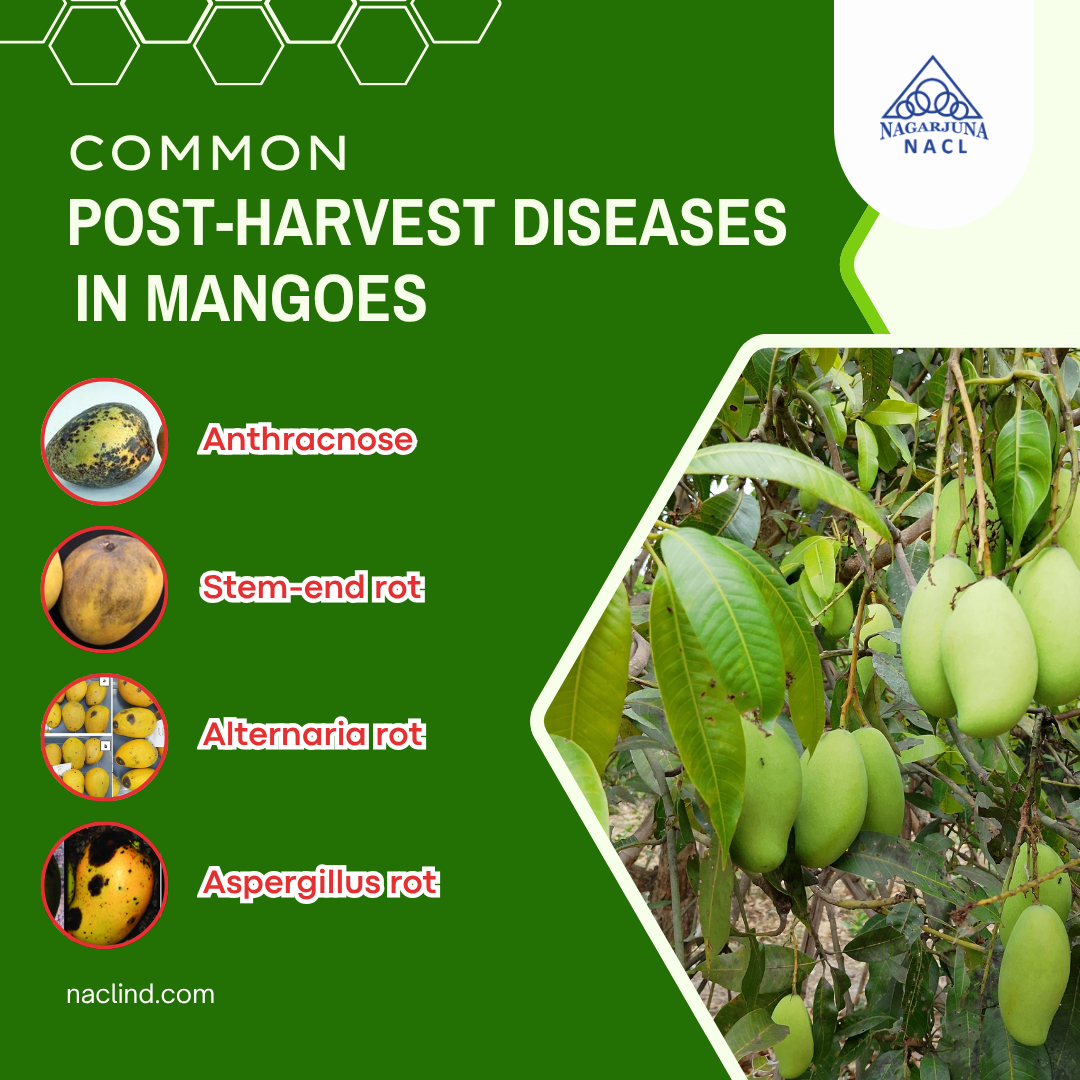
1. Anthracnose
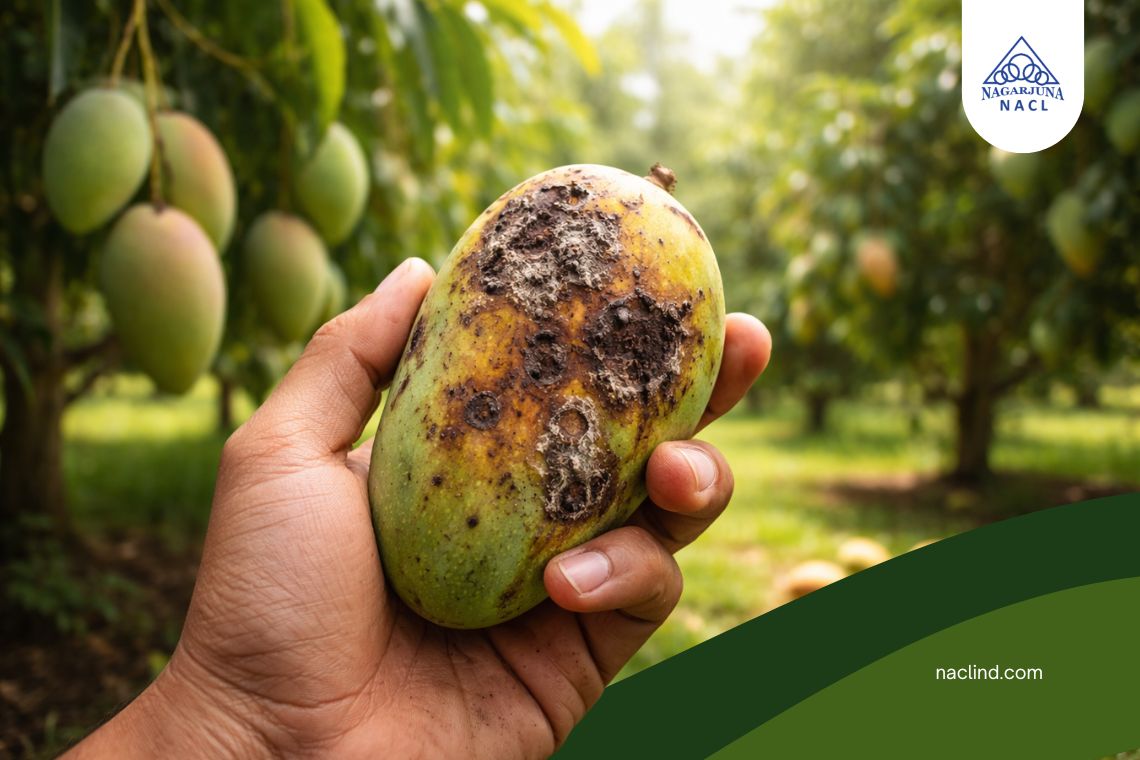
Anthracnose is the most common and destructive post-harvest disease. It appears as black spots on the fruit surface, which gradually enlarge and spoil the pulp.
2. Stem-End Rot
This disease starts from the stem end and spreads inward, causing internal decay. It often becomes visible only during storage or transport.
3. Alternaria Rot
Dark brown to black spots develops on the fruit, affecting its appearance and quality.
4. Aspergillus Rot
This fungal infection causes soft rot with mold growth, making fruits unfit for consumption.
Using the Best fungicides for agriculture and proper handling can greatly reduce the incidence of these diseases.
How do fungal infections affect mangoes after harvest?
Fungal infections usually begin in the field but remain dormant until after harvest. Once fruits are picked, the natural defense system weakens, allowing fungi to grow rapidly.
Effects include:
- Reduced shelf life
- Poor fruit appearance
- Loss of flavor and texture
- Lower market value
Without proper management, even healthy-looking fruits can deteriorate quickly during storage or transport.
How can you prevent post-harvest diseases in mangoes?
Prevention starts right from harvesting and continues through storage and transportation.
1. Harvesting at the right stage
- Harvest fruits at proper maturity.
- Avoid overripe or damaged fruits.
- Use clean tools to prevent contamination.
2. Careful handling
- Avoid dropping or bruising fruits.
- Use padded containers
- Handle fruits gently during packing.
3. Cleaning and washing
- Wash fruits in clean water to remove dirt and spores.
- Use disinfectant solutions if necessary.
4. Hot water treatment
Hot water treatment is one of the most effective methods:
- Dip fruits in hot water (around 50–55°C) for a few minutes.
- Helps kill fungal spores on the surface
5. Fungicide treatment
Applying recommended fungicides after harvest can control fungal growth. Farmers often rely on Agrochemical suppliers for selecting suitable treatments.
What are the best fungicides for mango storage diseases?
Choosing the right fungicide is crucial for post-harvest management.
Some commonly used options include:
- Carbendazim
- Thiophanate-methyl
- Prochloraz
These are widely recommended as part of the best fungicides for agriculture for controlling mango storage diseases.
However, it is important to:
- Follow recommended dosages
- Avoid overuse to prevent resistance.
- Source products from Top Agrochemical Companies in India for quality assurance
Farmers can also explore Agrochemical products online to compare options and ensure availability.
How does storage condition affect mango shelf life?
Storage conditions directly influence the rate of disease development.
Key factors:
- Temperature: Store mangoes at 10–13°C to slow fungal growth
- Humidity: Maintain moderate humidity to prevent dehydration and fungal spread
- Ventilation: Proper airflow reduces moisture buildup
Poor storage conditions can accelerate fungal growth, even if fruits are properly treated after harvest.
Can natural or organic methods help in post-harvest disease control?
Yes, natural methods can be useful, especially for small-scale farmers or organic markets.
Common approaches:
- Neem-based treatments
- Plant extracts like garlic or turmeric
- Edible coatings, such as aloe vera gel
These methods may not completely replace chemical treatments, but when combined with other Crop Protection Solutions, they can reduce dependency and improve sustainability.
How important is packaging in preventing mango spoilage?
Packaging plays a crucial role in maintaining fruit quality during transportation.
Good packaging practices:
- Use ventilated cartons
- Avoid overpacking
- Line boxes with soft materials
- Separate damaged fruits
Proper packaging reduces physical damage and limits the spread of fungal infections from one fruit to another.
Conclusion
Post-harvest disease management in mango is not just about applying treatments after harvest. It is a continuous process that starts in the field and extends through handling, storage, and transportation.
Fungal diseases such as anthracnose and stem-end rot can cause significant losses if left unchecked. However, with proper harvesting, careful handling, use of the best fungicides for agriculture, and improved storage practices, these losses can be minimized.
By sourcing quality inputs from reliable Agrochemical suppliers and adopting modern Crop Protection Solutions, farmers can protect their produce, extend shelf life, and maximize profits. A little extra care after harvest can make a big difference between loss and success in mango farming.
