
Blogs
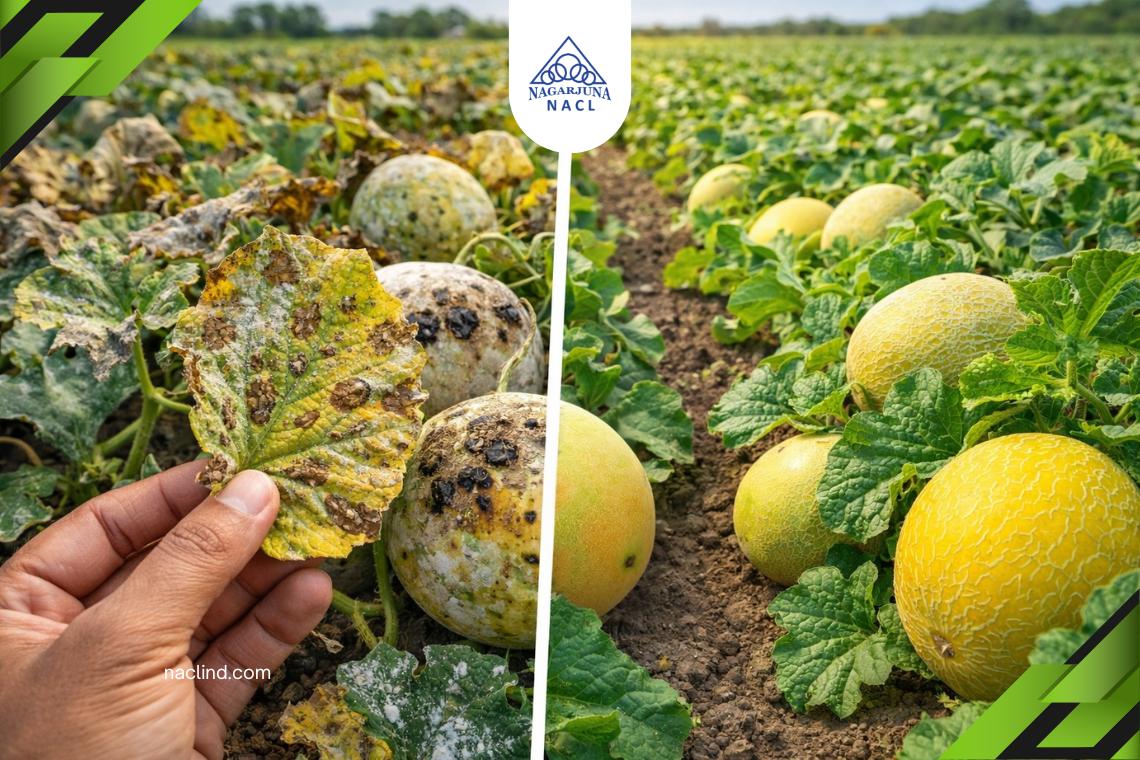
How to Identify and Manage Melon Crop Diseases for Better Yield
Melons are among the most rewarding crops for farmers and horticulture growers. Popular varieties such as muskmelon, cantaloupe, and watermelon are widely cultivated due to their strong market demand and profitability. However, melon crops are vulnerable to several diseases that can weaken plants, reduce fruit quality, and significantly lower yields.
Early identification and timely management are essential to maintaining healthy melon fields. With proper monitoring, preventive practices, and reliable crop protection solutions, farmers can effectively control disease outbreaks. This guide explains the most common melon diseases, their symptoms, and practical management strategies that help farmers achieve better yields.
Why Disease Management Is Important in Melon Cultivation
Melon crops grow vigorously in warm climates but are highly sensitive to fungal and soil-borne pathogens. If diseases are not controlled early, they can spread rapidly through the field, damaging leaves, stems, and fruits.
Infected plants often show reduced growth, poor fruit development, and shorter shelf life. Regular field scouting and timely interventions using effective crop protection solutions are therefore crucial for maintaining crop productivity.
Major Melon Crop Diseases and Their Identification
Understanding disease symptoms is the first step in effective management.
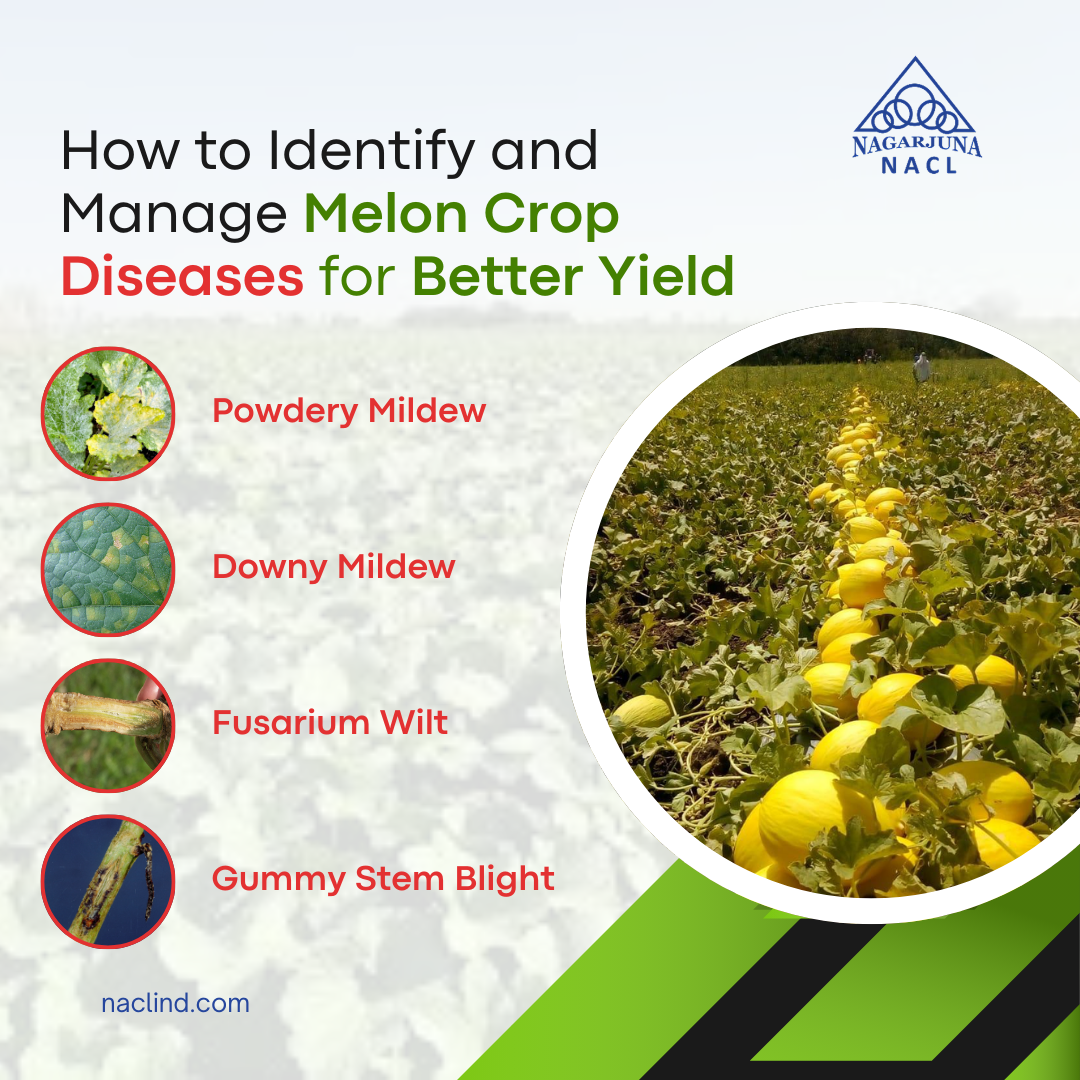
1. Powdery Mildew
Powdery mildew is one of the most common fungal diseases affecting melon crops worldwide.
Symptoms
- Small yellow spots appear on the upper surface of leaves.
- A white, powdery fungal growth develops on leaves and petioles.
- Leaves gradually turn brown, dry, and become papery.
- Fruit sugar levels may decline, affecting taste and yield.
The fungus grows on the leaf surface and spreads easily through wind-borne spores. It usually thrives at temperatures between 20°C and 26°C and in humid conditions with dense foliage.
Management
- Maintain proper plant spacing to improve air circulation.
- Remove infected leaves and crop residues.
- Grow resistant varieties when available.
- Apply preventive fungicide sprays when early symptoms appear.
Many farmers choose formulations from the Best Fungicide in India for Agriculture to manage powdery mildew effectively while protecting crop health.
2. Downy Mildew
Downy mildew can cause severe damage in cool, humid conditions.
Symptoms
- Light yellow or pale green spots appear on the upper leaf surface.
- Spots gradually turn brown and necrotic.
- Grey or dark fungal growth appears on the underside of leaves during humid mornings.
- Leaves eventually collapse, reducing photosynthesis and yield.
The disease spreads rapidly through spores carried by wind and thrives when leaves remain wet for long periods.
Management
- Avoid overhead irrigation that keeps foliage wet.
- Encourage airflow within the crop canopy.
- Remove infected plants quickly to reduce the spread.
- Apply protective fungicides during favorable disease conditions.
Effective crop monitoring combined with recommended fungicides from reliable Agrochemical Manufacturer in India helps prevent severe outbreaks.
3. Fusarium Wilt
Fusarium wilt is a soil-borne disease that can devastate melon crops if left unmanaged.
Symptoms
- Yellowing of older leaves begins at the margins.
- Wilting of vines or runners during hot afternoons.
- Brown discoloration inside the stem vascular tissue.
- Collapse of mature plants under heavy fruit load.
The pathogen survives in soil as long-lasting spores and infects plants through the roots. Disease severity increases when soil temperatures range between 25°C and 27°C.
Management
- Rotate crops with non-cucurbit plants.
- Improve soil drainage and structure.
- Use resistant cultivars where available.
- Apply soil treatment measures such as solarization.
Combining cultural practices with appropriate crop protection solutions helps reduce the persistence of this pathogen in soil.
4. Gummy Stem Blight
Gummy stem blight affects the leaves, stems, and fruits of melon plants and can cause serious crop losses.
Symptoms
- Brown lesions appear on stems and vines, often near nodes.
- Sticky gummy secretion may ooze from infected stems.
- Leaves develop dark circular spots that spread across the surface.
- Fruits may show water-soaked lesions that enlarge over time.
The fungus spreads through splashing water, infected debris, and contaminated tools. It thrives under warm temperatures around 25°C with extended leaf wetness.
Management
- Inspect plants regularly for early signs of infection.
- Remove infected leaves and plant debris promptly.
- Avoid injuries to plants during harvesting.
- Rotate crops and avoid planting cucurbits in the same field repeatedly.
Farmers often integrate preventive fungicide sprays recommended by agronomists to minimize infection risk.
Integrated Disease Management for Melon Crops
Successful disease control in melon cultivation requires a combination of cultural, biological, and chemical strategies.
1. Field Sanitation
Keeping fields clean is one of the most effective preventive measures.
- Remove crop debris after harvesting.
- Control of weeds that may harbor pathogens.
- Destroy infected plant parts immediately.
Sanitation reduces the chances of disease survival between crop seasons.
2. Proper Irrigation Practices
Excess moisture promotes fungal diseases in melon crops.
- Use drip irrigation instead of overhead watering.
- Irrigate early in the morning to allow leaves to dry quickly.
- Avoid waterlogging in the field.
Balanced water management keeps plant foliage dry and healthy.
3. Balanced Nutrient Management
Healthy plants are naturally more resistant to diseases.
- Apply fertilizers according to soil test recommendations.
- Avoid excessive nitrogen fertilization.
- Incorporate organic manure to improve soil health.
- Crop stage and disease severity
- Recommended dosage and spray interval
- Compatibility with integrated pest management strategies
Good nutrition strengthens plant immunity and improves yield quality.
4. Use of Reliable Crop Protection Products
Farmers frequently rely on innovative products developed by Top Agrochemical Companies in India to manage fungal diseases effectively.
These companies invest heavily in research and development to produce advanced fungicides and plant protection products suitable for Indian climatic conditions.
When selecting the Best Fungicide in India for Agriculture, farmers should consider:
Using high-quality products from a reputed Agrochemical Manufacturer in India ensures effective disease control and safer crop production.
Conclusion
Melon cultivation offers significant economic potential, but crop diseases can quickly reduce productivity if left unchecked. Recognizing early symptoms of common diseases such as powdery mildew, downy mildew, fusarium wilt, and gummy stem blight allows farmers to take timely action.
With proper sanitation, irrigation management, resistant varieties, and scientifically recommended fungicides, farmers can effectively protect their crops. Choosing quality products from reputable agrochemical suppliers further strengthens disease management efforts.
By adopting integrated strategies and staying vigilant throughout the growing season, farmers can maintain healthy melon crops and achieve consistently better yields.
